“The only way to coast is downhill.”
That’s a quote from Zig Ziglar and it has caused me to reflect. Some of the questions that have come to mind include:
- What does it mean to coast?
- What does downhill mean in different aspects of life?
- But what about building a passive income? Isn’t that coasting?
What does it mean to coast?
I became familiar with coasting as a boy about the age of 7. In fact, that’s how I learned to ride a bike. I’d push my bike up a small incline in our front yard, step over the large frame, balance awkwardly atop its banana seat, lift my feet and begin to roll down a small incline. I repeated this over and over again until either I was too sore from falling or I had successfully made my way down this small hill. Eventually I added more complex aspects of riding a bike, like using the pedals which meant I could go faster and further, but I was no longer coasting.
I do not believe this is the type of coasting that Zig is referring to here. But something that can have much larger consequences if allowed to continue for too long. Coasting typically implies not making any conscious efforts to grow, improve oneself, or put in the work. When we coast we may find ourselves complacent, lacking motivation, or unwilling to step out of our comfort zones. While periods of rest and relaxation are essential for rejuvenation, a prolonged state of coasting can hinder personal growth and limit one’s opportunities for success.
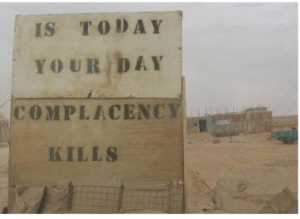
In Iraq one would become familiar with a sign that read in part “Complacency Kills”. This was a reminder to remain vigilant for threats when conducting operations. While I understand that setting and accomplishing goals is different from conducting combat operations, there are some similarities. Zig would not want us to become complacent in our lives and would agree that it can kill dreams.
What does downhill mean in different aspects of life?
Going downhill can be interpreted differently depending on the context. In general, it signifies a decline, a loss of momentum, or a negative trajectory. Here are a few aspects of life where going downhill can have various implications:
Career: In a professional context, going downhill may refer to experiencing a stagnation in one’s career, losing job satisfaction, or feeling unfulfilled. It could also entail a decline in performance, missed opportunities for growth, or a lack of ambition to strive for higher goals.
Remember this formula from Tom Ziglar: Attitude x Effort x Skill = Performance
Having a healthy attitude about and towards our careers can help us overcome coasting and complacency.
Relationships: When it comes to relationships, going downhill may indicate a loss of connection, dwindling communication, or unresolved conflicts. It can also involve a lack of effort to nurture and strengthen the relationship, resulting in emotional distance or disintegration.
Life is all about relationships. The bonding of elements create molecules, their relationship with other molecules eventually cascades into the miracle of life and other substances. The computer I am typing on would not exist without a relationship between the elements from which it is made.
Rodney Eiland once said, “The words we say to our children today will be the whispers they hear when we are gone.” Let us add a positive voice to those around us, let us not coast in the language we use in our relationships with others.

Health and Well-being: In terms of physical and mental well-being, going downhill implies a decline in one’s health, fitness, or overall vitality. It can be manifested through unhealthy habits, neglecting self-care, or failing to prioritize mental and emotional wellness.
Just as the words we speak to a child are incredibly important, so are the words that we speak to ourselves. Make time for health and well-being, even if it is simply going for a walk.
But what about passive income, isn’t that coasting?
Building (doesn’t really sound like coasting) a passive income stream is often perceived as a means of achieving financial freedom and stability. However, labeling it as “coasting” depends on how it is approached and the level of effort involved. While passive income streams generate income with minimal ongoing effort, they still require initial investment, planning, and continuous maintenance.
Isn’t marketing a funny thing sometimes? You see these ads online for passive income systems, glorifying the results and the lifestyle of those selling the system. While beginning with the end in mind is an important principle when solving problems and creating a vision, not understanding the work and investment of time and energy can be detrimental.
Building a passive income stream typically involves upfront work, such as creating a product, investing in real estate, or building an online business. It requires a proactive mindset, strategic decision-making, and ongoing monitoring to ensure sustainability and growth. Therefore, building a passive income should not be equated with coasting, as it involves a different type of effort and commitment.
Building passive income streams is more like building and maintaining a financial pipeline than winning the lottery.

Captain, remember now that self-improvement is a dynamic and multifaceted journey that requires conscious effort, adaptability, and a commitment to personal growth. By being mindful of our actions, embracing challenges, and seeking opportunities for growth, we can embark on a self-improvement journey that propels us forward and leads to a more fulfilling and meaningful life.